


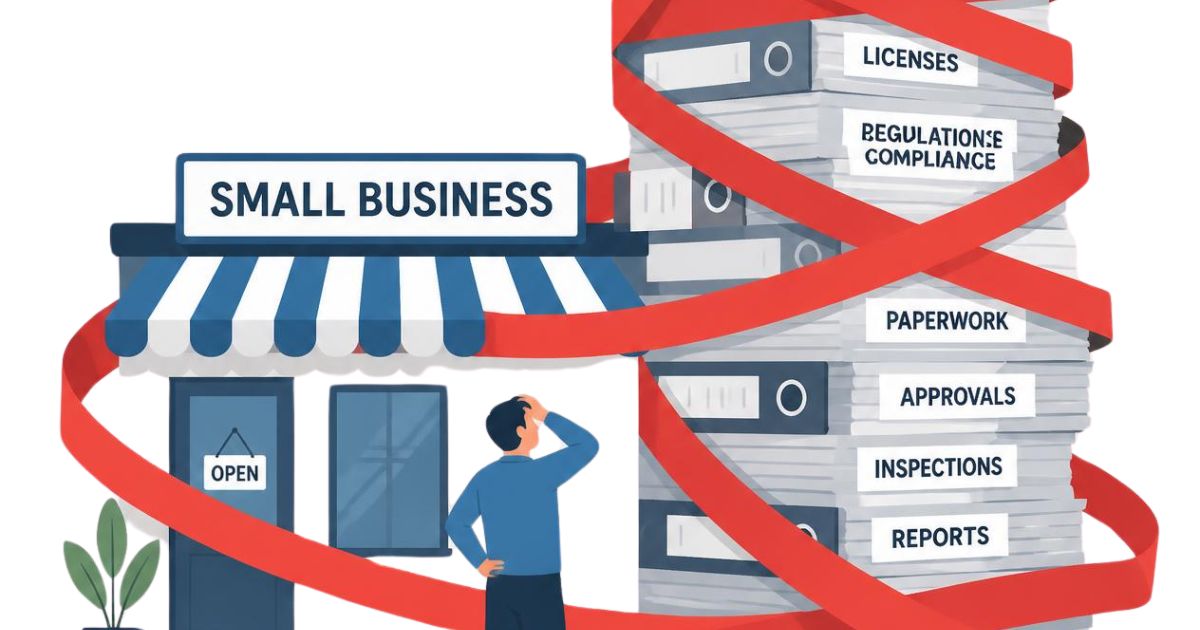
New York City is home to some 180,000 small businesses — the bodegas, barbershops, taco carts, and corner restaurants that employ roughly a million people. On Monday, City Hall said it wants to make life a lot less complicated for all of them.
Advertisement
Mayor Mamdani announced a package of more than 50 regulatory reforms called OPEN — short for Overhauling Procedures and Expanding Navigation — aimed at stripping out the permits, paperwork, and fines that owners say wear them down. He paired the reforms with a new executive order that puts several of them into effect immediately, according to the Mayor’s Office.“You cannot tell the story of New York without our small businesses, and yet our city has often made it too hard for them to open their doors and keep them open,” Mamdani said. “What wears them down is not simply the cost of any one fee, it is the paperwork and the inconsistency they face when dealing with their own government.”
Some of the fixes read like relics being retired. The city plans to work with Albany to scrap the second permit a restaurant currently needs just to serve ice cream — a leftover from decades-old dairy rules — and to repeal the separate license a bodega needs to sell fruit, flowers, or soda from a stand just outside its own door, even though it already holds a license to sell those same items inside. Sidewalk cafés will no longer need a layer of mayoral sign-off. Food trucks and businesses with commercial cooking equipment will see a $110 registration fee dropped to $0 for the next twelve months.
The reforms are spread across nearly every kind of business: 25 target food service and food retail, seven cover transportation, and six apply to every business in the city, with the rest targeting child care providers, retailers, industrial shops, personal-care businesses, and even the nonprofits that run bingo nights.
The executive order also aims at how the city treats owners day to day. It expands the NYC Business Express Service Team so new businesses get a single case manager to walk them through permitting and inspections, and it requires agencies to actually hand over the “Business Owner Bill of Rights” — a document laying out what owners can expect during an inspection that, by the city’s own 2025 survey, only 9% of owners had ever received.
Advertisement
“Small business owners run on customer service, and they cannot survive without it,” said Deputy Mayor for Economic Justice Julie Su. “OPEN holds the City to that same standard.”The plan drew early praise from the business community. The Manhattan Chamber of Commerce welcomed it, noting that “for years, small businesses have learned that in New York, the city usually shows up with a fine, not a hand.”
The reforms are not without skeptics, who will be watching whether trimming permits and penalties weakens oversight of food safety, worker protections, or consumer rules — concerns the administration says it addressed by preserving core protections while consolidating overlapping requirements. A permanent “OPEN Taskforce” of nearly ten agencies is now charged with finding more rules to fix, with recommendations due each year.
Have a news tip? Send it to us here!


