
Free Upper East Side News, Delivered To Your Inbox
It started with a father’s TikTok video back in February. To date, the account has pulled in millions of views, prompted one of the largest single-patient responses a national donor registry has ever recorded, and reshaped what an Upper East Side family thought was possible in a few short months. But time, as it turns out, doesn’t wait for perfect outcomes — and Max Uribe’s family is now moving forward with the next stage of treatment without the match they had hoped to find.
Advertisement
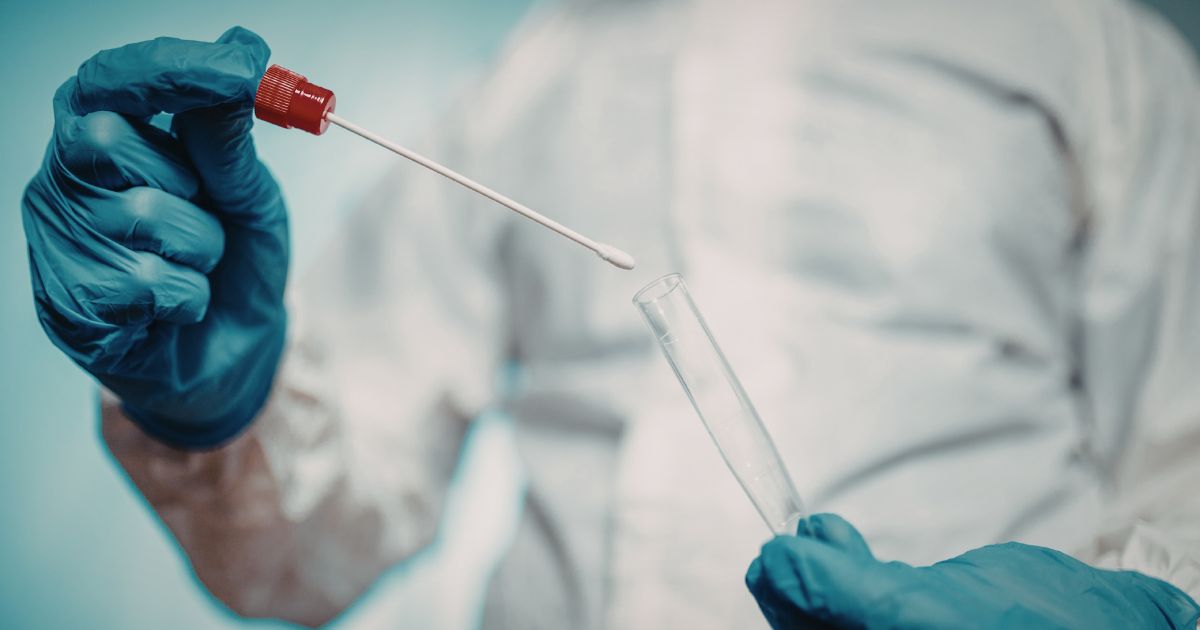
Juan Uribe, Max’s father, launched the social media push earlier this year in search of a stem cell donor for his 15-year-old son. The campaign, branded “Team Max,” asked viewers to request cheek swab kits through the National Marrow Donor Program, the operator of the world’s largest blood stem cell registry. More than 200,000 people signed up.None of them were a perfect match.
In a new interview with NY1, Uribe said the family has decided to proceed with the closest available option rather than continue waiting. “We’ve run out of time,” he told the outlet, explaining that Max’s condition no longer allowed for an indefinite search. The teen is now preparing for a chemotherapy regimen — what doctors call “conditioning” — that will wipe out his existing blood-forming cells before the donor cells are introduced.
Uribe was direct about what’s ahead: nausea, hair loss, flu-like symptoms, and a long recovery. The hope, he said, is that Max emerges essentially cured, though relapse remains a possibility.
Even without a match for his own son, Uribe’s campaign rewrote the registry’s record book. NMDP spokesperson Erica Sevilla told NY1 that roughly 100,000 kit requests came in within the first three months — the largest response the organization has ever seen tied to a single patient story over such a short window. More than half of those who signed up came from diverse backgrounds, an outcome advocates have long said is critical to closing match-rate gaps. White patients currently have about a 79% chance of finding a donor match through the registry; for Hispanic and Latino patients, that number drops to 48%. Max, who is half white and half Hispanic, sat on the harder side of those odds.
There’s a catch, though: only about half of the people who requested kits have actually returned them.
That gap is what Uribe is now focused on. “If you can’t help my son, you could help another person and potentially save their life,” he told NY1, estimating that as many as 1,000 lives could still be saved if the outstanding kits made their way back. NMDP officials echoed the call, urging anyone holding an unreturned swab to complete the process.
Advertisement
For donors who do follow through, the experience can be unexpectedly personal. Ron Jacob, now NMDP’s director of member recruitment, joined the registry years ago after a friend was diagnosed with leukemia. His friend died, but Jacob later learned he was a perfect match for a stranger — a woman he came to think of as his “genetic sister.” The donation itself, he said, involved a few days of medication followed by a blood draw-style procedure that left him sore for less than a day.People between the ages of 18 and 35 can request a kit and join the registry through the family’s Swab for Max site.
Have a news tip? Send it to us here!


