
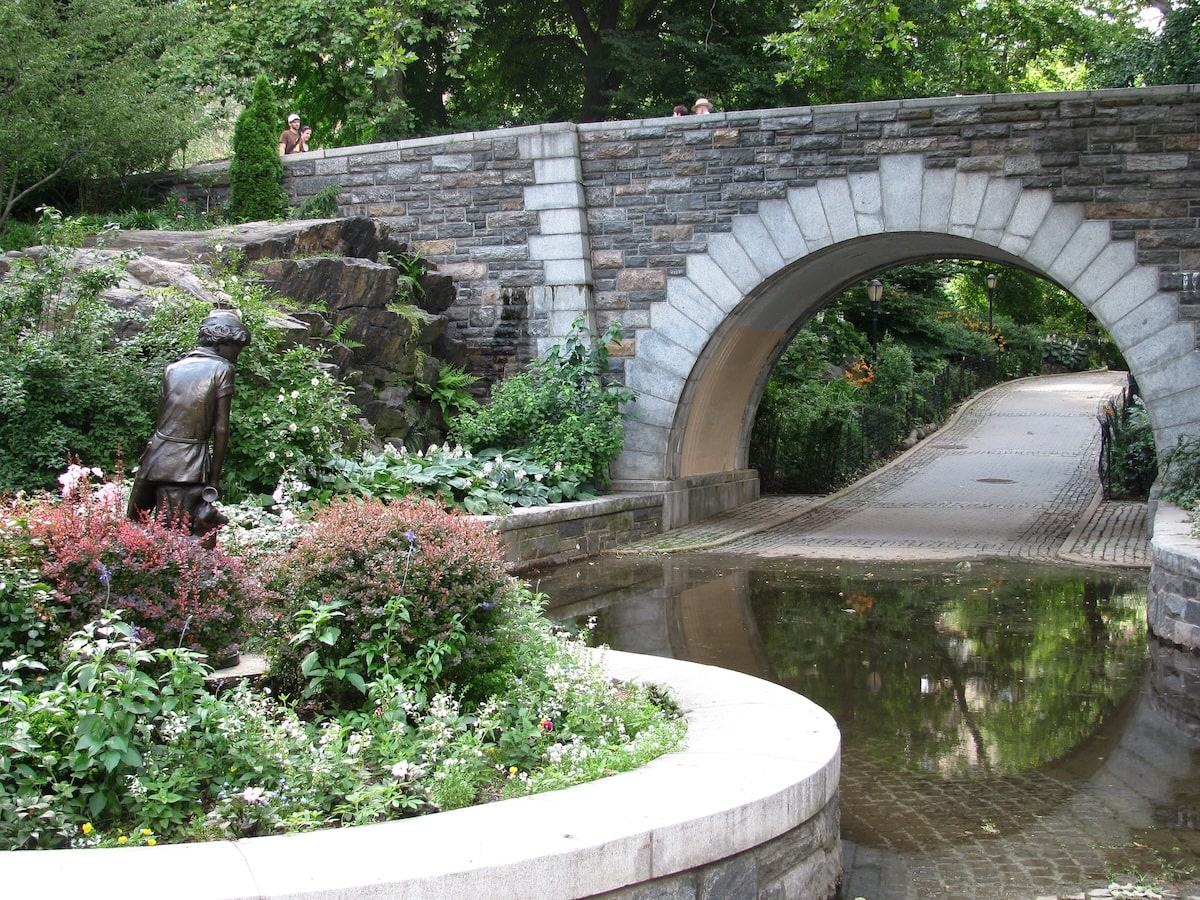
Photo by Flickr user Eden, Janine and Jim
Free Upper East Side News, Delivered To Your Inbox
It’s one of the Upper East Side’s most beloved spaces — a place for dog runs, river views and quiet morning walks. But the name Carl Schurz Park tends to register as background noise. It doesn’t sound especially New York, and it doesn’t immediately suggest a person most residents could identify.
Advertisement
As it turns out, Carl Schurz was no ordinary namesake.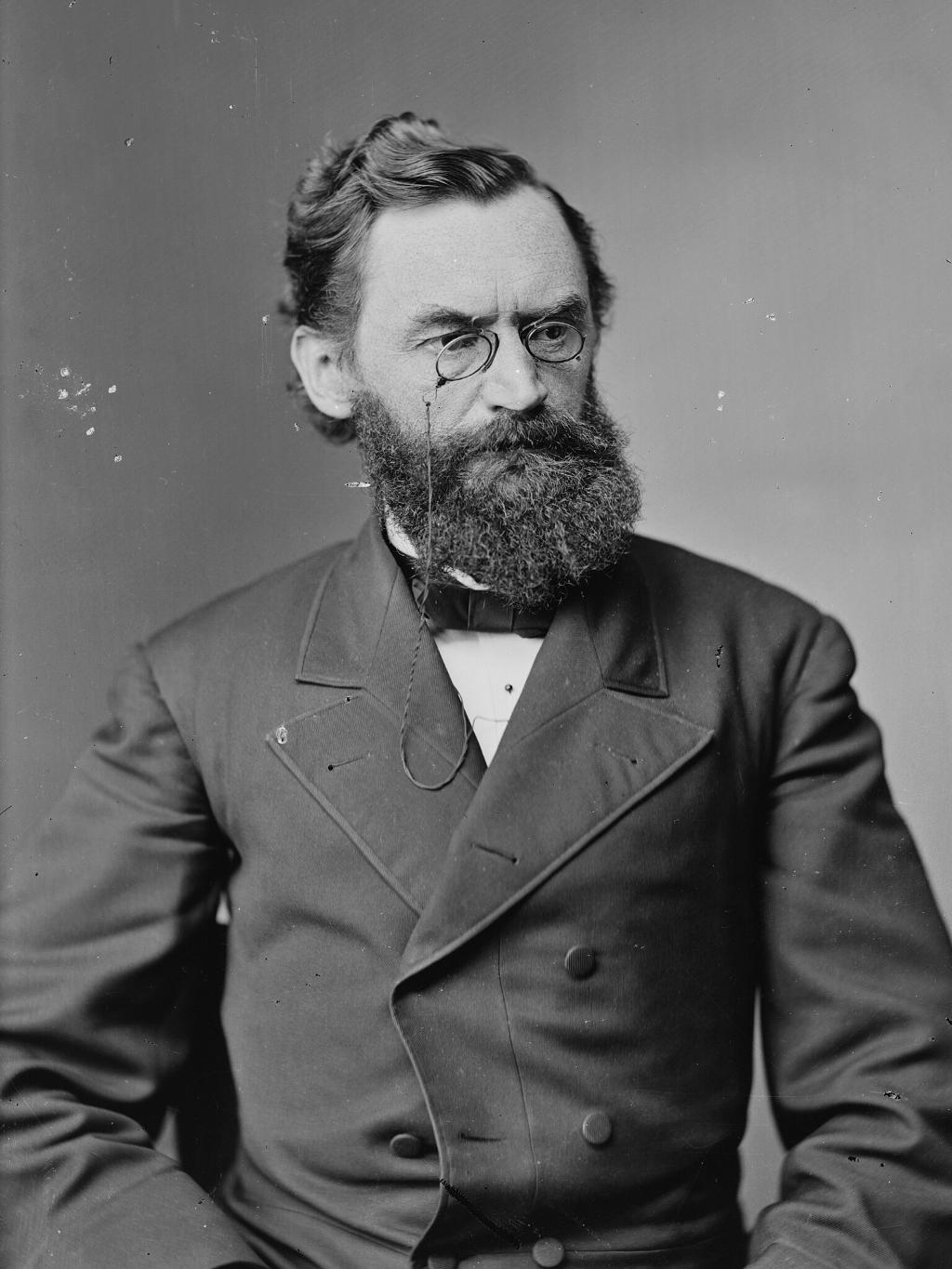
Brady-Handy photograph collection, Public domain, via Wikimedia Commons
The park is named after a 19th-century immigrant, revolutionary, Civil War general, U.S. senator, and Cabinet member who spent much of his life fighting corruption, challenging political power, and pushing for a more honest government — even when it made him unpopular.
Before Carl Schurz became a fixture in American political life, he was a radical in Europe. Born in Germany in 1829, Schurz took part in the failed democratic revolutions of 1848, which sought to overthrow authoritarian rule. When those uprisings collapsed, he was arrested, escaped prison, fled the continent, and eventually made his way to the United States as a political exile.
He arrived with little money and limited English — hardly the résumé of a future U.S. Cabinet secretary.
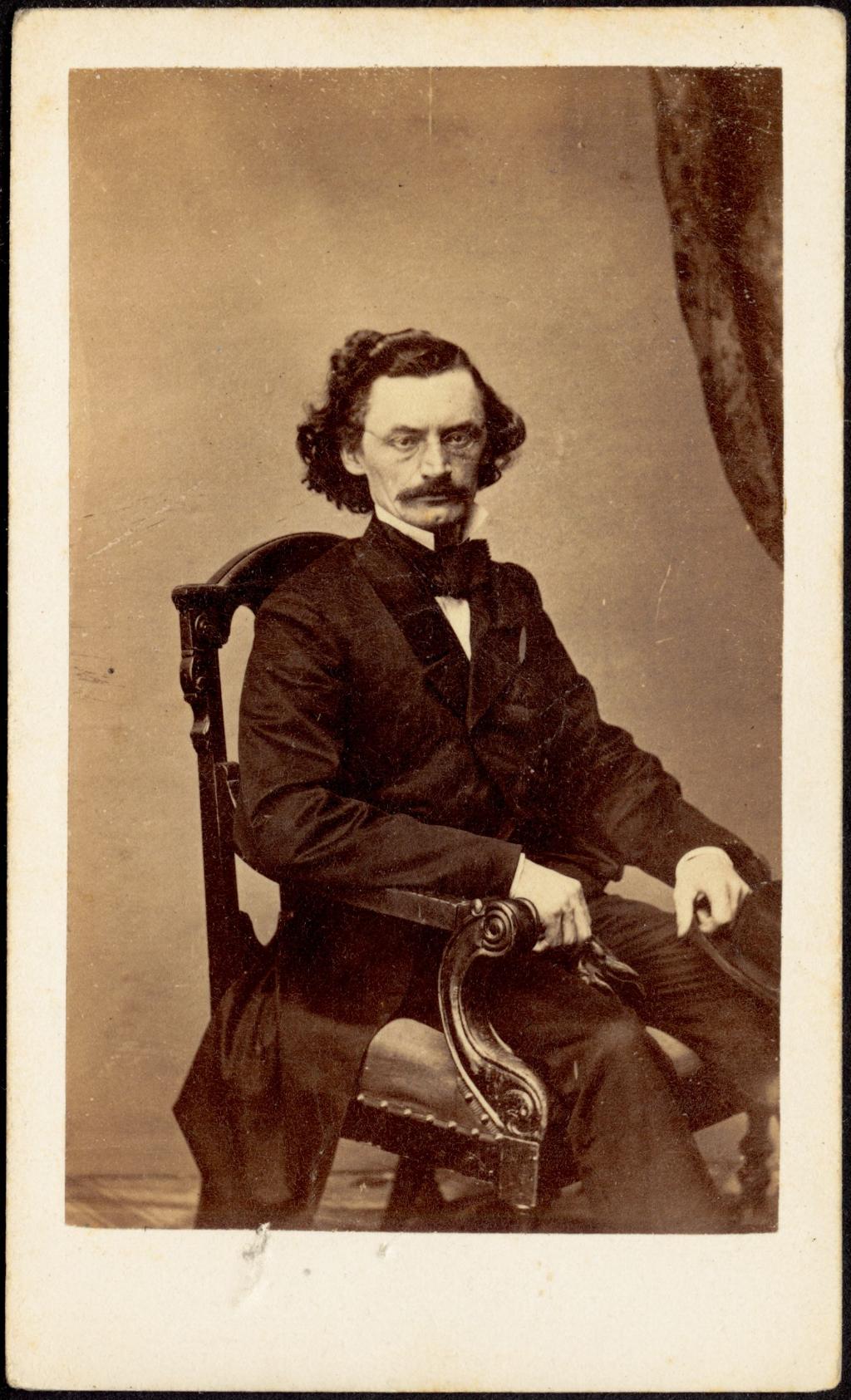
Boston Public Library, Public domain, via Wikimedia Commons
Schurz quickly became a prominent voice in American politics, aligning himself with anti-slavery causes and campaigning for Abraham Lincoln. During the Civil War, he served as a Union general. After the war, his rise continued: he became a U.S. senator from Missouri and later Secretary of the Interior under President Rutherford B. Hayes.
What set Schurz apart wasn’t just how far he climbed, but how he behaved once he got there.
Advertisement
He opposed the patronage system, challenged party leaders from his own side, and pushed relentlessly for civil service reform at a time when political favors and backroom deals were standard practice. He believed public officials owed loyalty to principles, not parties — a stance that won him admirers among reformers and enemies among political bosses.By the time of his death in 1906, Schurz was widely regarded as a symbol of “good government,” even if he had never been especially comfortable within government itself.
The Upper East Side park wasn’t always called Carl Schurz Park. It was known as East River Park until 1910, when New York City renamed it in Schurz’s honor, four years after his death.
The timing mattered. The renaming took place during the Progressive Era, when reformers were pushing back against corruption and machine politics. Naming a prominent public park after Schurz was less about local ties — he didn’t live nearby — and more about values.
The park’s location next to Gracie Mansion, the mayor’s residence, added another layer of symbolism: a civic space associated with integrity and accountability sitting beside the seat of city leadership.
Today, Carl Schurz Park feels quintessentially Upper East Side — calm, civic-minded, and quietly principled. That turns out to be a fitting reflection of the man it’s named after.
Schurz once argued that patriotism didn’t mean blind loyalty, but a responsibility to correct what’s wrong. More than a century later, his name still marks one of the neighborhood’s most public spaces — not because he was wealthy or local, but because he represented an ideal New York once chose to elevate.
Have a news tip? Send it to us here!


