
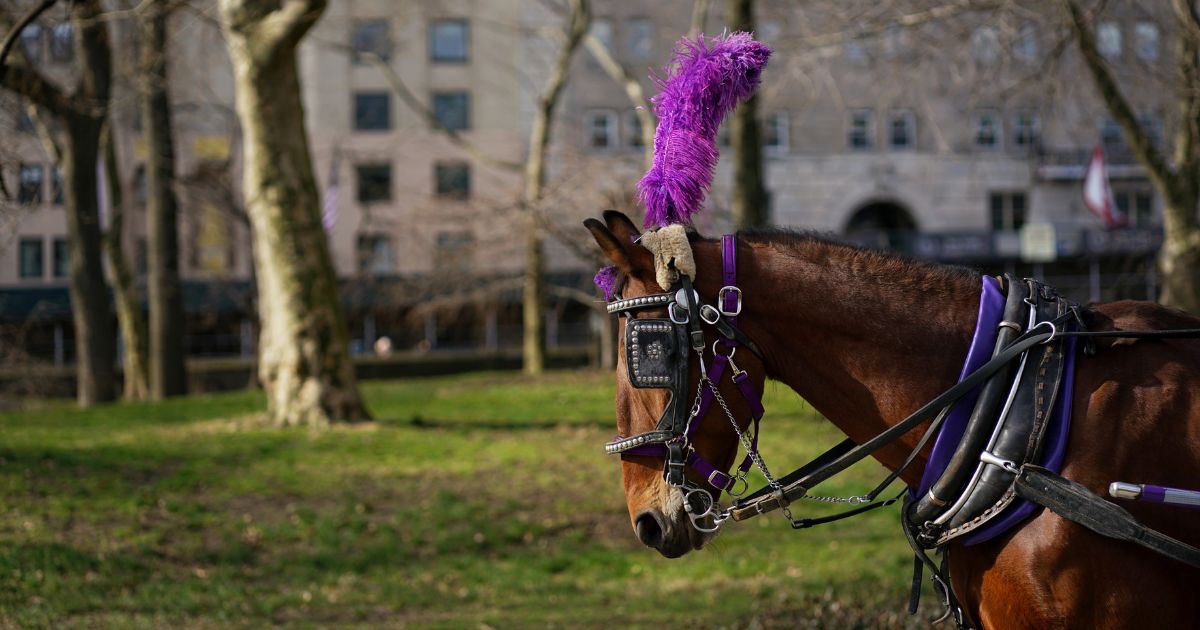
Central Park’s horse-drawn carriages could soon have an end date, and the bill that would set it is named for a teenager who died in the park this summer.
Advertisement
Mayor Zohran Mamdani and City Council Speaker Julie Menin have agreed on legislation that would ban the carriages by June 2028. The Council is scheduled to vote on the bill on October 22, three months after an emotional hearing in July, and Menin has said she expects it to pass with a veto-proof majority.The bill is now called Romanch’s Law. It’s named for Romanch Mahajan, the 18-year-old tourist from India who died in June after a carriage horse bolted and flipped the carriage he was riding in. His death came just days after a 16-year-old carriage horse named Deniz collapsed and died in the park near West 72nd Street, and a month after a spooked horse toppled a carriage near West 59th Street. The bill is a reworked version of Ryder’s Law, an earlier ban named for a carriage horse that collapsed in 2022. Council Member Christopher Marte is the prime sponsor.
“The tragic and preventable death of 18-year-old Romanch Mahajan made clear that the status quo is no longer acceptable,” Menin said in a statement. She went further in an interview with The New York Times, calling his death “a breaking point where we have to do something.”
“The horse carriage industry is coming to an end in New York City,” Mamdani posted on social media Tuesday night, adding that his administration “will make sure workers and owners are protected and the horses are safe.” Mayoral spokeswoman Sneha Choudhary said the administration has been working with the Council, union partners, drivers, animal welfare advocates and community leaders on “a just transition that protects workers while ending horse-drawn carriages in Central Park once and for all.”
The horse carriage industry is coming to an end in New York City.
Our administration will make sure workers and owners are protected and the horses are safe.
— Mayor Zohran Kwame Mamdani (@NYCMayor) October 13, 2026
The bill requires the city to develop a transition plan for drivers, but it doesn’t guarantee them financial compensation. It also requires that the horses be disposed of humanely, meaning they can’t be sold or transported for slaughter, or sold to carriage businesses elsewhere.
Advertisement
The Transport Workers Union, which represents the drivers, says that isn’t enough. According to the union, there are 68 carriage medallions, about 150 active licensed drivers and about 160 licensed horses. “Council Speaker Menin’s bill has no meaningful economic relief for workers,” said John Samuelsen, president of Transport Workers Union International. He also accused Menin of using Mahajan’s death to manufacture a public safety crisis.Menin told the Times she’s proposed a working group, with one representative each appointed by her office, the mayor and the union, to come up with a plan for the drivers. She said possibilities include moving them into hospitality work or even city jobs.
New Yorkers for Clean, Livable and Safe Streets (NYCLASS), the animal rights group that has fought the carriages for years, praised the deal. “Romanch’s death was a heartbreaking loss that laid bare the devastating consequences of this deadly industry,” said executive director Edita Birnkrant.
Have a news tip? Send it to us here!


