
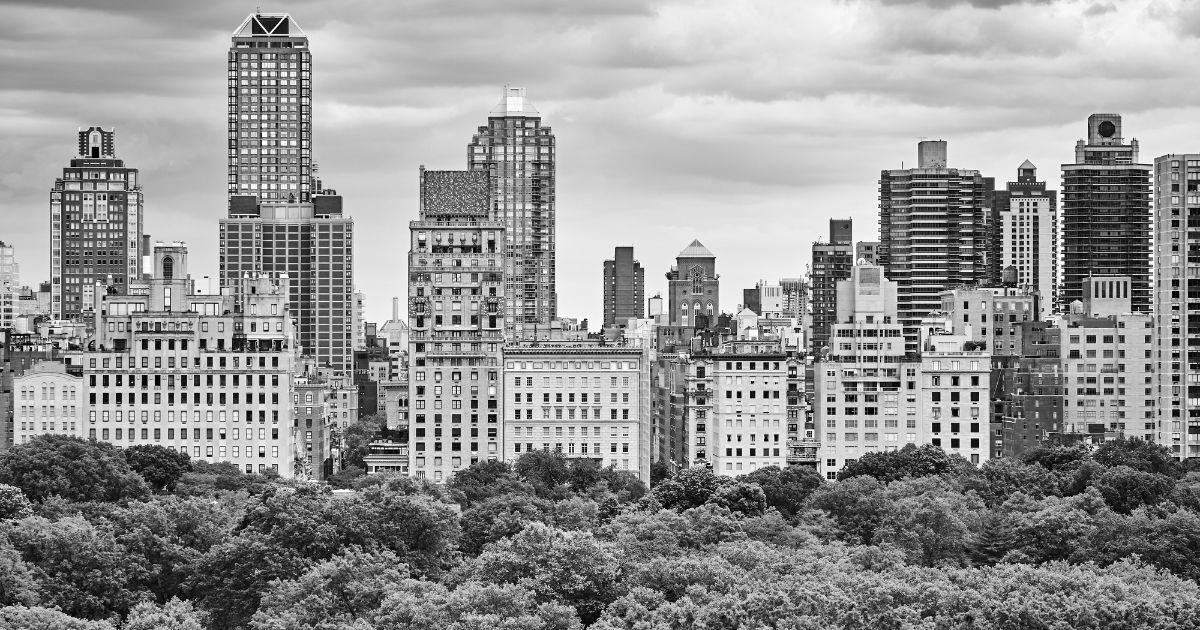
A new city plan says the Upper East Side should add more housing over the next five years than any other part of New York City, and the planner who walked the local community board through it says the number isn’t based in reality.
Advertisement
Under the city’s Fair Housing Growth Strategy, Community District 8 is targeted to add 12,725 housing units between 2025 and 2030, the most of any district in Manhattan or the city. Over the previous five years, it added a net 1,623 units. The target is nearly eight times that, and would take the district from 140,545 units to 153,270. Planner George Janes laid out the numbers for Community Board 8’s Zoning, Development and Housing Committee this week in a presentation his firm prepared for the board.In percentage terms, the district’s housing stock grew about 1% from 2020 to 2025. The target calls for about 9% growth by 2030. Since the 2020 census, CD8 has ranked 10th out of Manhattan’s 12 community districts for housing growth. Under the target, it would rank first.
The city didn’t set the targets by choice. Janes explained that Local Law 167 of 2023 required the city to create housing targets for itself and for every community district. HPD and the Department of City Planning released the draft plan in August. It calls for 700,000 net new units citywide over 10 years. Comments on the draft were due Sept. 19, and the final plan is due October 1.
According to Janes, the method behind the targets is simple. It looks at how much each district has grown recently and how big it already is. Because Community District 8 is the largest district, it gets the most growth. His presentation says the formula doesn’t consider how much the zoning actually allows to be built, access to transportation or jobs, historic districts, or any other planning criteria. He added that it also ignores recent rezonings, like the ones in Midtown and Long Island City.
The city’s Department of Housing Preservation and Development (HPD) has said the plan is non-binding and has no land use impacts, according to Janes. He said HPD couldn’t tell him whether future projects will have to show they’re consistent with the plan during environmental review. He still expects developers to point to it when they ask for rezonings. “You have to support this rezoning because you’re short the units that you’re targeted to grow,” he said, describing the argument he expects applicants to make. His presentation also asks whether the plan was simply an attempt to meet the law’s minimum requirements. By law, the plan has to be updated every five years, and Janes said he hopes the next version will be better.
Advertisement
Committee co-chair Elizabeth Rose said she analyzed net unit growth in every city district over the past several five-year periods. No district came close to 12,725 units in any of them, and she said she believes only three ever topped 10,000. All three were largely non-residential areas that were rezoned for housing and mixed use. She added that on the Upper East Side, she’s seeing 99-unit buildings that add only 39 net new units. The history makes CB8’s number look “really fantastical, for lack of a better word,” she said.Not everyone on the board was as skeptical. Board member Craig Lader said the concerns deserve discussion, but he didn’t want to “give the sense that the sky is falling here.” He called the goal aspirational and said adding that much housing would make up for years of slow progress.
Board member Marco Tamayo said the draft calls for about 3,180 affordable homes in the district, including 955 deeply affordable units and 475 for people experiencing homelessness. He argued that the targets should come with an analysis of where housing can actually be built and how it would be paid for.
The plan also names Community District 8 as a “limited affordability area,” meaning a place with few housing options for lower-income New Yorkers. Janes said only three Manhattan districts got that label, while many more in Queens did. He questioned how the areas were chosen, noting that Sunset Park is one while the districts containing Billionaires’ Row and Central Park West aren’t.
Local resident Stephanie Reckler asked whether any of the new plans would stop Northwell from selling its block between East 76th and 77th Streets to a developer who could build a 1,000-foot tower. “Nothing here would prevent that from happening, and in fact, it may be encouraged,” Janes said.
Have a news tip? Send it to us here!


