


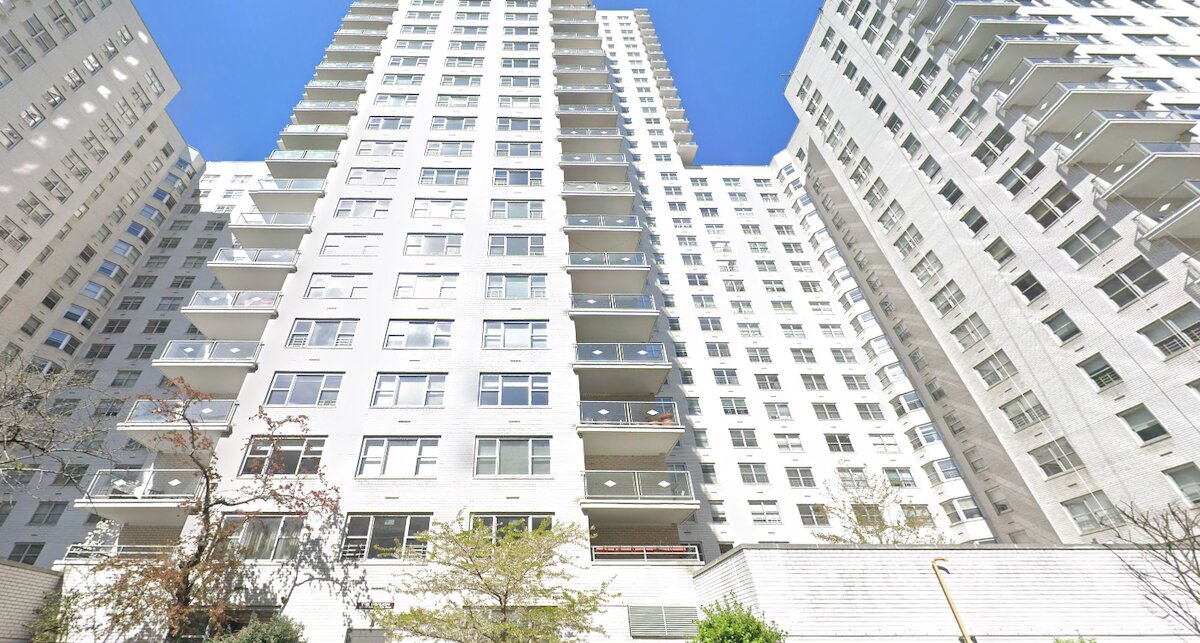
The Pavilion, a rental building at 500 East 77th Street (Google Maps)
Renting in New York City could look different in the coming years if the Mamdani administration gets its way. On Thursday the city released its “Rental Ripoff Report,” a package of 23 policy actions aimed at making it easier to find an apartment, report problems and hold negligent landlords accountable.
Advertisement
According to the Mayor’s Office, the report grew out of the Rental Ripoff Hearings, a series of sessions the administration held in each borough between February and April after Mayor Zohran Mamdani created them through one of his first executive orders. More than 2,400 New Yorkers testified, and their complaints clustered around building conditions: 16% of the testimony referenced pests, 13% mold and another 13% leaks, alongside accounts of landlord harassment, deceptive fees and surprise utility bills.“At Rental Ripoff Hearings across the five boroughs, we heard from thousands of New Yorkers living with mold that was never treated, pests that were never addressed and fees that were never explained,” Mamdani said. “This report turns those stories into concrete action.”
Several of the headline proposals target how tenants report problems and how the city responds. The plan calls for investigating every heat complaint individually rather than lumping together multiple complaints from the same building, letting tenants schedule certain inspections, speeding up responses to elevator-outage complaints, and modernizing the city’s paper-based building-owner registration system so landlords can be reached and served with violations digitally. A new Legislative Task Force would study tougher tools against chronic offenders, including financial penalties for landlords who fail to remediate mold.
ALSO READ: This is the Worst Landlord on the Upper East Side: Report
Other measures aim at the rental market itself. The report would legally recognize tenant unions and expand tenants’ ability to organize and bargain over building conditions, and it would require landlords to disclose when a listing has been altered using artificial intelligence. It also promises to use the city’s full enforcement authority, from inspections to litigation, against so-called repeat-offender landlords.
Advertisement
A few details surfaced in coverage of the report beyond the city’s announcement. Per amNewYork, the administration wants to rethink the use of credit checks and the widely used requirement that applicants earn 40 times the monthly rent, a threshold that shuts out many working New Yorkers. And NY1 reported that the input came from 852 in-person listening sessions and 882 pieces of digital testimony, and that the report floats a pilot allowing smaller, European-style elevators in walk-up buildings, a potential fix for older housing stock long out of reach for tenants who can’t manage stairs.None of it takes effect overnight. The administration says the recommendations will roll out over several years through a mix of executive action, agency rulemaking, legislation and litigation, meaning some will move quickly while others could take years or stall entirely. Taken together, the package signals where City Hall wants to steer the rental market, and it gives tenants and landlords alike a preview of the fights ahead.
Have a news tip? Send it to us here!


