
Free Upper East Side News, Delivered To Your Inbox
From longtime neighborhood institutions to familiar national chains, the Upper East Side saw a wave of notable closures this year. Rising rents, shifting consumer habits, and broader corporate restructuring all played a role. For many residents, these shutdowns felt deeply personal.
Advertisement
Here were the five biggest Upper East Side closings of the year:Shakespeare & Co. (939 Lexington Avenue)
Google Maps
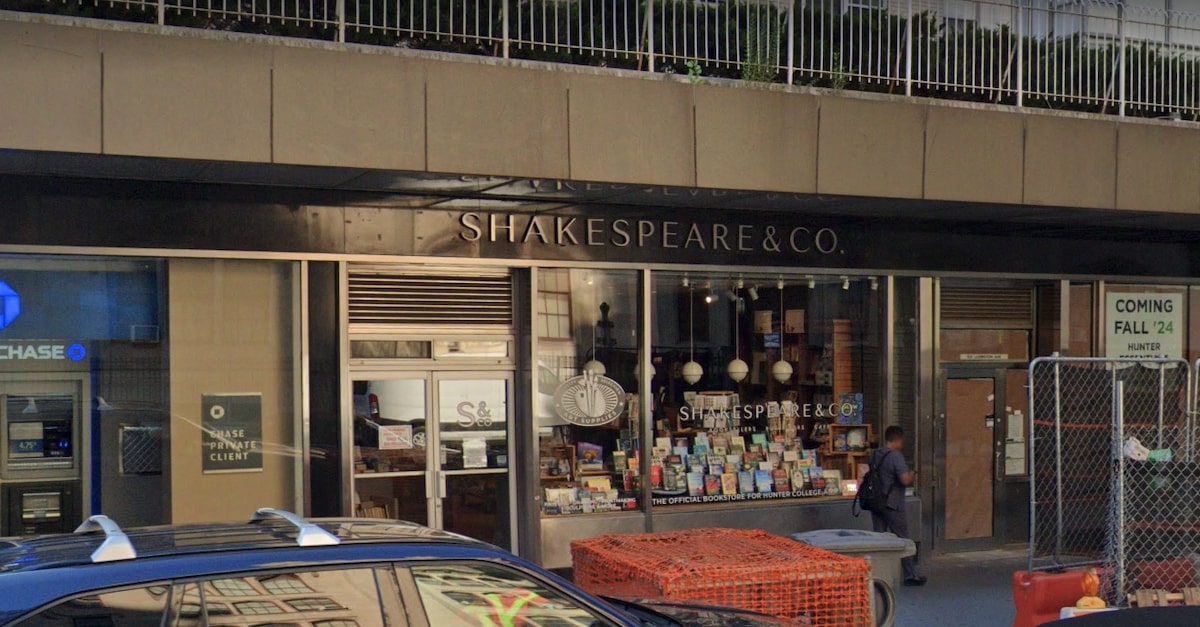
After more than two decades as a literary anchor on the Upper East Side, Shakespeare & Co. closed its Lexington Avenue location in April.
The bookstore had long been cherished for its carefully curated selection and inviting atmosphere, and had recently undergone renovations that added a café serving coffee and pastries. Despite those efforts, owner Dane Neller cited rising rent as the primary reason the store could no longer remain viable.
The closure was part of a broader contraction for the brand this year. Shakespeare & Co. also shut its Upper West Side outposts on 105th and Broadway (after just one year in business) and on 69th and Broadway (after about seven years). The independent bookstore’s only remaining location is in Paris.
For Upper East Siders, the loss marked the end of an era — and the disappearance of one of the neighborhood’s most quietly beloved browsing spots.
Maz Mezcal (316 East 86th Street)

Google Maps
After nearly 40 years at the same Yorkville storefront, Maz Mezcal served its final meal at 316 East 86th Street in November.
The family-run Mexican restaurant, founded in 1987, announced that while it was leaving its longtime home, it was not closing permanently. Rising costs following a change in building management ultimately forced the move. According to the restaurant’s management, the landlord sought a significant rent increase, personal guarantees, and expressed a preference for a national tenant.
For generations of Upper East Siders, Maz Mezcal was synonymous with celebratory dinners, margaritas, and a welcoming, family-first atmosphere. While the restaurant plans to reopen at a new address, its departure from East 86th Street marked one of the most emotionally resonant closings of the year.
Advertisement
Alice’s Tea Cup – Chapter II (156 East 64th Street)
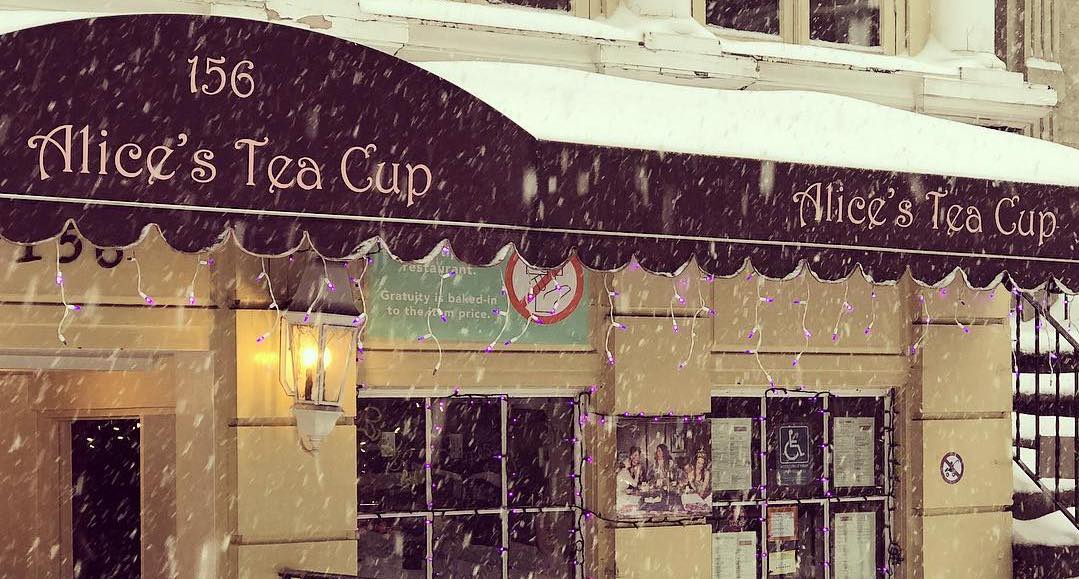
Alice’s Tea Cup officially closed its Chapter II location in May, ending nearly two decades of whimsical teatime magic at East 64th Street and Lexington Avenue.
The closure followed the 2024 sale of the business after mounting financial challenges under its original ownership. New owner Jeni He announced the decision earlier this year, noting that patrons would have time to return before the final day and teasing plans for a future location, as well as a forthcoming online shop.
While the Upper East Side location has now shuttered, Alice’s Tea Cup’s original Chapter I café on the Upper West Side remains open. Still, the loss of the UES outpost removed one of the neighborhood’s most distinctive and family-friendly dining experiences.
Ritz Diner (1133 First Avenue)
Google Maps
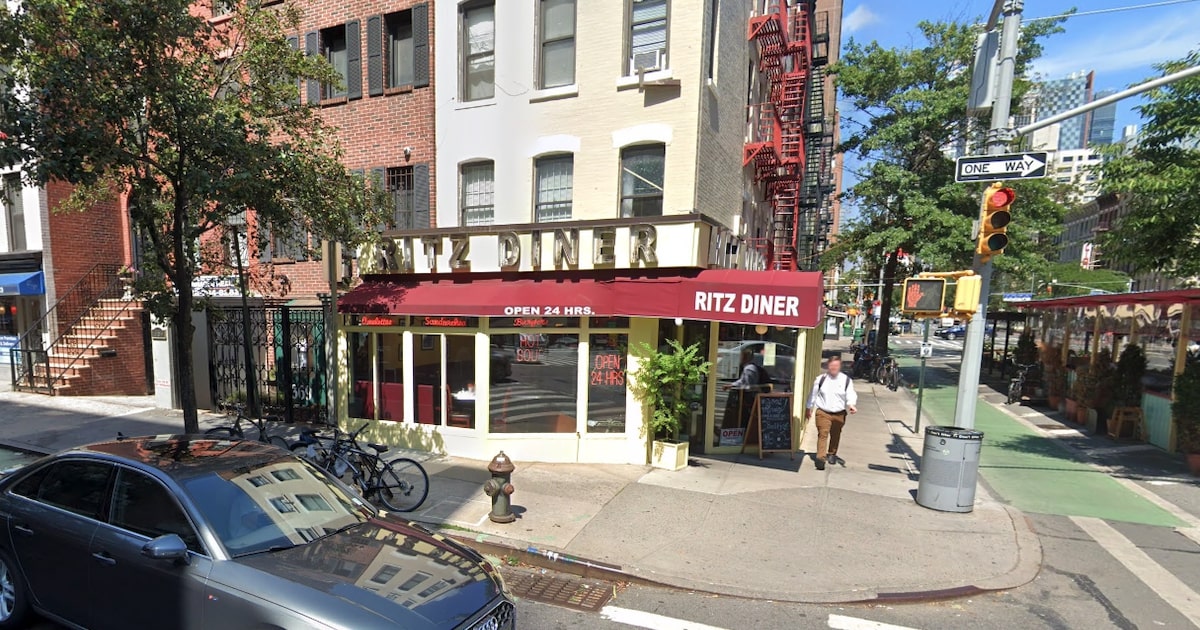
The iconic Ritz Diner closed its doors in November, ending a run that stretched back to the late 1930s.
Located at First Avenue and East 62nd Street, the 24-hour diner had been owned by George Kalogerakos since 1999. A sign in the window announced that the restaurant would be “merging” with Tramway Diner, another Kalogerakos-owned establishment a few blocks south.
While customers can still find familiar faces at Tramway, the closure of Ritz marked another blow to the city’s rapidly shrinking diner scene — and the loss of a reliable, old-school staple for late-night Upper East Side diners.
Advertisement
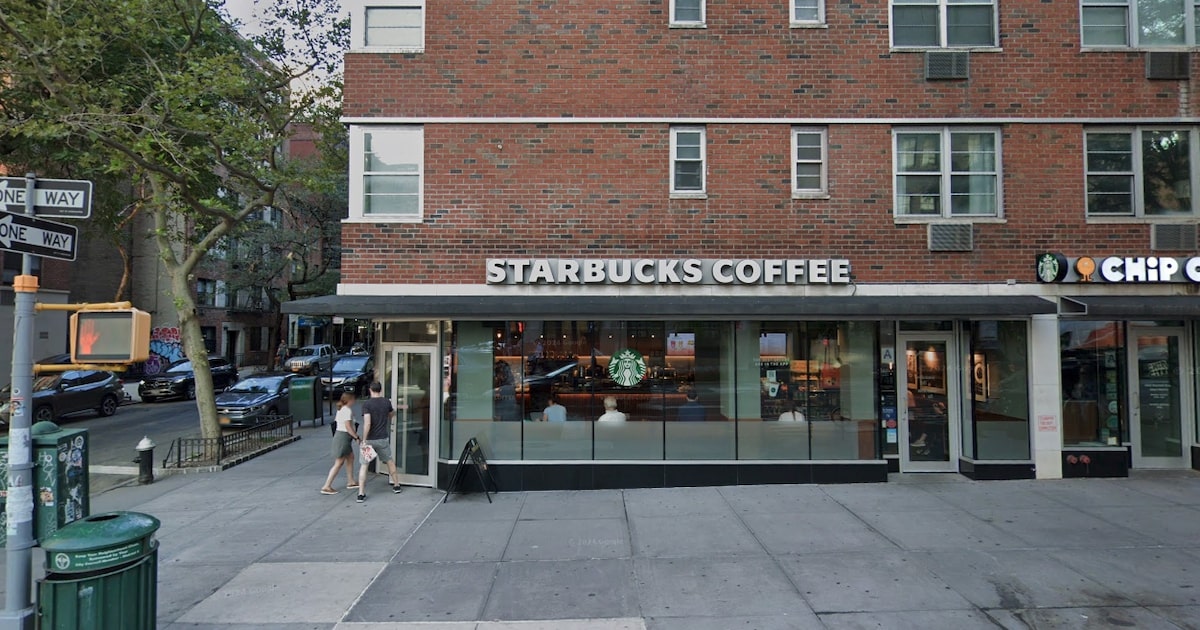
Starbucks (Multiple Upper East Side Locations)
Google Maps
Three Starbucks locations on the Upper East Side closed in the fall as part of a nationwide downsizing effort by the coffee giant.
The shuttered locations included outposts on Third Avenue near East 84th Street, East 80th Street at Second Avenue, and East 59th Street near Madison Avenue. The closures were confirmed after initial uncertainty, as the company did not release an official list.
Starbucks leadership described the move as part of a broader restructuring aimed at improving store environments and long-term performance. While the brand plans to reopen and renovate locations elsewhere, the Upper East Side closures left noticeable gaps on busy commercial corridors — and surprised many regular customers who suddenly found their neighborhood café gone.
While storefront turnover is nothing new on the Upper East Side, this year’s closings stood out for their scale, history, and emotional impact. Whether driven by rising rents, corporate recalibration, or changing dining habits, each closure left a visible mark on the neighborhood.
As new businesses move in and familiar names move on, these five departures serve as a snapshot of a community — and a commercial landscape — very much in transition.
Have a news tip? Send it to us here!


